
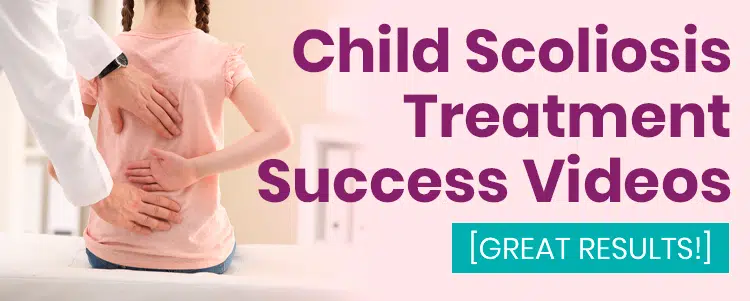
Child Scoliosis Treatment Success Videos [GREAT RESULTS!]
Scoliosis is progressive, and the best time for treatment is as soon as it is diagnosed.
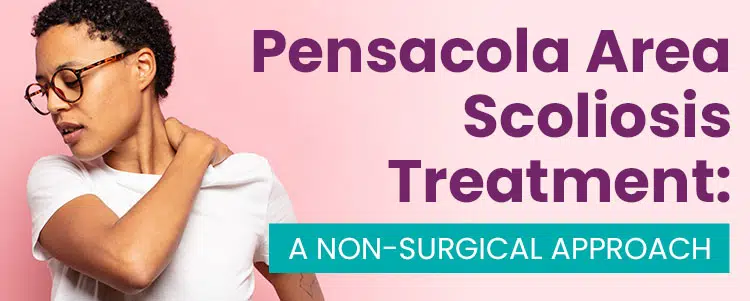
Pensacola Area Scoliosis Treatment: A Non-Surgical Approach
For residents of Pensacola, the best scoliosis care is available in Celebration, Orlando, at Dr.
Daytona Beach Area Scoliosis Treatment [Non-Surgical]
Scoliosis patients in the Daytona Beach area can now receive the best non-surgical scoliosis treatment available, just a 1.
Sarasota Area Scoliosis Treatment: A Non-Surgical Approach
Scoliosis treatment is available to residents of Sarasota, only a 2-hour drive to reach Dr.
Fort Lauderdale Scoliosis Treatment: A Non-Surgical Approach
Reaching world-class scoliosis care has never been easier for residents of Fort Lauderdale.
Tallahassee Scoliosis Treatment: A Non-Surgical Approach
Accessing adequate scoliosis treatment is necessary, especially non-surgical treatment, and Dr.
Tampa Scoliosis Treatment: A Non-Surgical Approach
For residents of Tampa, FL, seeking scoliosis treatment with additional benefits and options, the Scoliosis Reduction Center® is just a drive away in Orlando.
Orlando Scoliosis Treatment: A Non-Surgical Approach
The Scoliosis Reduction Center® in Orlando is the leading non-surgical scoliosis treatment center, so now you can receive non-invasive treatment close to home.
Miami Scoliosis Treatment: A Non-Surgical Approach
The Scoliosis Reduction Center® in Miami is the leading non-surgical scoliosis treatment center, so now you can receive non-invasive treatment close to home.
Jacksonville Scoliosis Treatment: A Non-Surgical Approach
Accessing non-surgical treatment for scoliosis in Jacksonville has never been easier with the help of Dr.
10 Degrees Scoliosis – What To Do? What Happens Next?
The minimum degree for scoliosis to be diagnosed is 10 degrees. This is considered mild, and patients have many non-surgical treatment options available.
20 Degrees Scoliosis – What To Do? What Happens Next?
A 20-degree curve is considered mild scoliosis. Different steps can be taken to manage the curve and prevent its progression depending on the degree of scoliosis.
15 Degrees Scoliosis – What To Do? What Happens Next?
There are different degrees of scoliosis, depending of the degrees of curvature we will classify the severity of scoliosis.
Normal Curvature of the Spine: What is a Normal Spine Curve?
The spine is naturally curved to help the body manage stress and gravity over time.
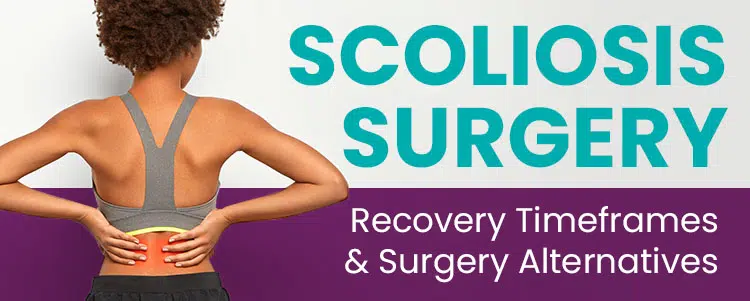
Scoliosis Surgery Recovery Timeframes & Surgery Alternatives
All surgeries involve a recovery time. For scoliosis surgery, the recovery aspect will be individual to each patient’s case, degree of progression, and location of their curve.
Lordosis Treatment: Can It Be Corrected? [BEST TREATMENT]
The spine has normal curvatures. Some of those curves are referred to as lordosis.
Can Scoliosis Cause Neuropathy? [ANSWERED]
The connection between scoliosis and the nerves of the spine is a close one. As patients develop their scoliosis, it can impact surrounding nerves and end up hurting the spine.
Can Scoliosis Cause Sciatica? [ANSWERED]
Sciatica is not always accompanied by scoliosis, but it can be when a patient’s scoliosis is located in the lumbar spine as a result of the sciatic nerve being impinged.
Can Scoliosis Cause Chest Pain? [ANSWERED]
Scoliosis can happen anywhere in the spine. Depending on the curvature size, it can cause chest pain and even impact breathing quality if located in the thoracic area.